
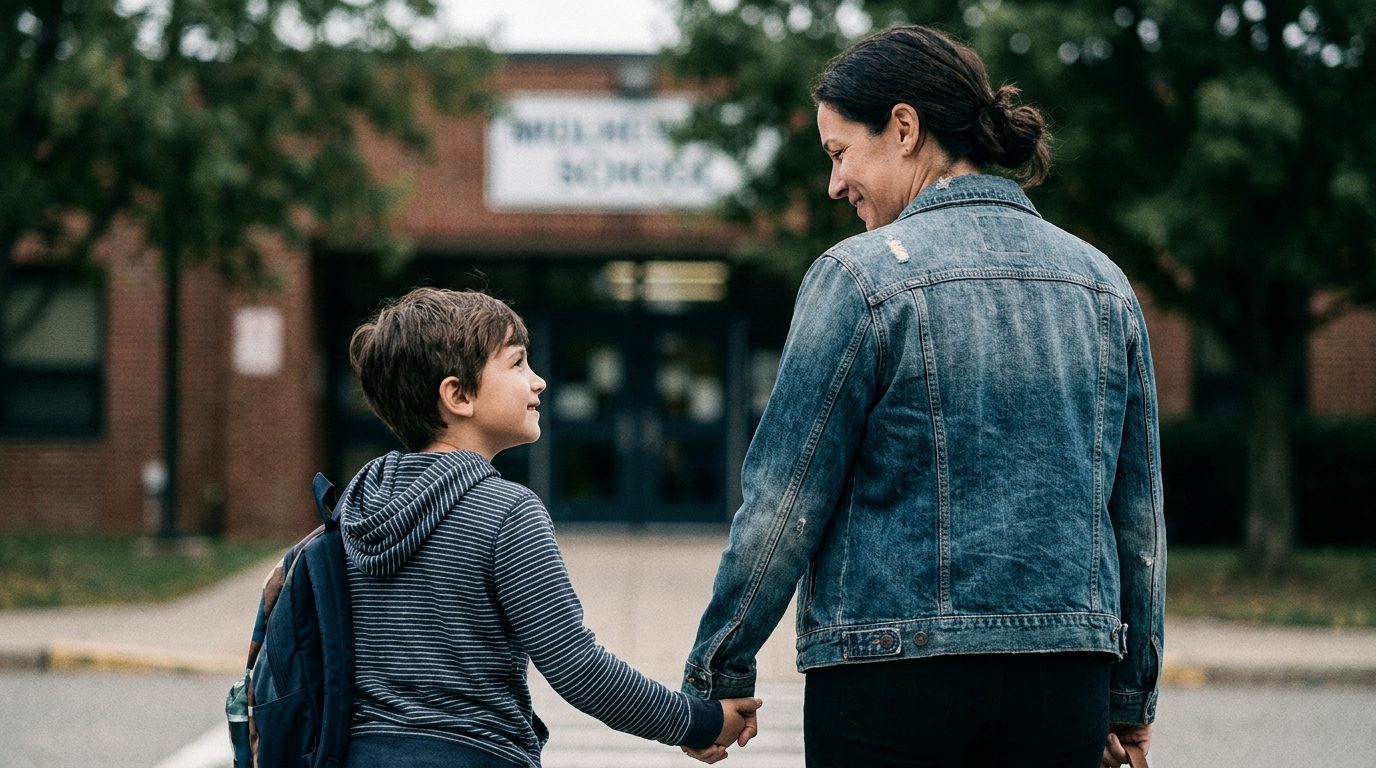
If your child has sensory processing needs, you already know that an ordinary school day can look very different for them than it does for their classmates. The same hallway, the same lesson, the same lunchroom — experienced through a nervous system that takes in sound, light, touch, and movement differently — can shift from manageable to overwhelming in a matter of minutes. This page walks through what that can look like in general terms, and how a Blue Horizons Sensory Support Aide is trained to support a student through the parts of the day that are hardest.
What Sensory Processing Challenges Can Look Like at School
Every child’s sensory profile is different, so there’s no single list that describes any one student. But parents and teachers of children with sensory processing needs often describe some version of the same patterns:
- Sudden overwhelm from noise, bright or flickering light, crowded spaces, or unexpected touch
- Difficulty settling back into a lesson after a transition — recess, an assembly, a fire drill, or a change to the daily schedule
- Seeking out movement, pressure, or fidgeting as a way to stay regulated, sometimes in ways that read as “off-task” to an outside observer
- Avoidance of certain textures, foods, or materials that other students don’t think twice about
- A pattern of holding it together for most of the day, then melting down once the sensory load finally becomes too much
None of this means a child can’t succeed at school. It usually means the school day needs one more layer of support — someone watching for the early signs before a hard moment turns into a lost afternoon.
How a Sensory Support Aide Supports Your Child Through the Day
A Blue Horizons Sensory Support Aide works alongside your child throughout the school day, under the direction of the classroom teacher and IEP or 504 team — not as a substitute for that plan, but as the person actually there to carry it out moment to moment.
Morning Arrival & Transitions
Helping your child move between environments — drop-off, hallway, classroom, activity changes — which are often the moments sensory overload builds fastest.
During Instruction
Supporting the use of sensory tools and short regulation breaks — movement, a quiet space, fidget or pressure tools — so your child can come back to the lesson instead of checking out.
Recess, Lunch & Unstructured Time
Watching for early warning signs in the least structured, often loudest parts of the day, and stepping in before a hard moment escalates.
Every Blue Horizons aide has passed DOJ Live Scan fingerprinting and reference checks before ever meeting a student, and works under a multi-layer supervision model with a named single point of contact for your family — so you always know who to call, not a rotating cast of strangers. Daily attendance, timesheets, and journals feed our Quarterly Performance Review Program, so what’s working (and what isn’t) gets tracked, not just hoped for.
What Other Families Have Experienced
We hear a version of the same story from parents again and again: once a trained Sensory Support Aide is in place, the whole shape of the school day changes. Fewer hard mornings. Fewer calls home about a meltdown at recess. A child who comes home talking about their day instead of shutting down from it. It’s not a fix for every challenge a child faces — but for a family whose day-to-day has been rocky, a consistent, well-trained aide who understands their child’s specific sensory needs can be the difference between a school year that’s survived and one that’s actually working. (You can read a Blue Horizons parent’s own account of that shift elsewhere on this site.)
Frequently Asked Questions
Is a Sensory Support Aide only for children with autism?
No. Sensory processing challenges show up across a range of diagnoses, and sometimes without a formal diagnosis at all. What matters is whether your child’s IEP or 504 team has identified sensory regulation as an area where they need support during the school day.
How do we start the process of requesting a Sensory Support Aide?
Start with your child’s IEP or 504 team at school, since aide support is written into that plan. If your school works with Blue Horizons, or you’d like to understand how a Sensory Support Aide fits into your child’s day, contact our team or visit our homepage to learn more about how we screen, train, and supervise every aide we place.