
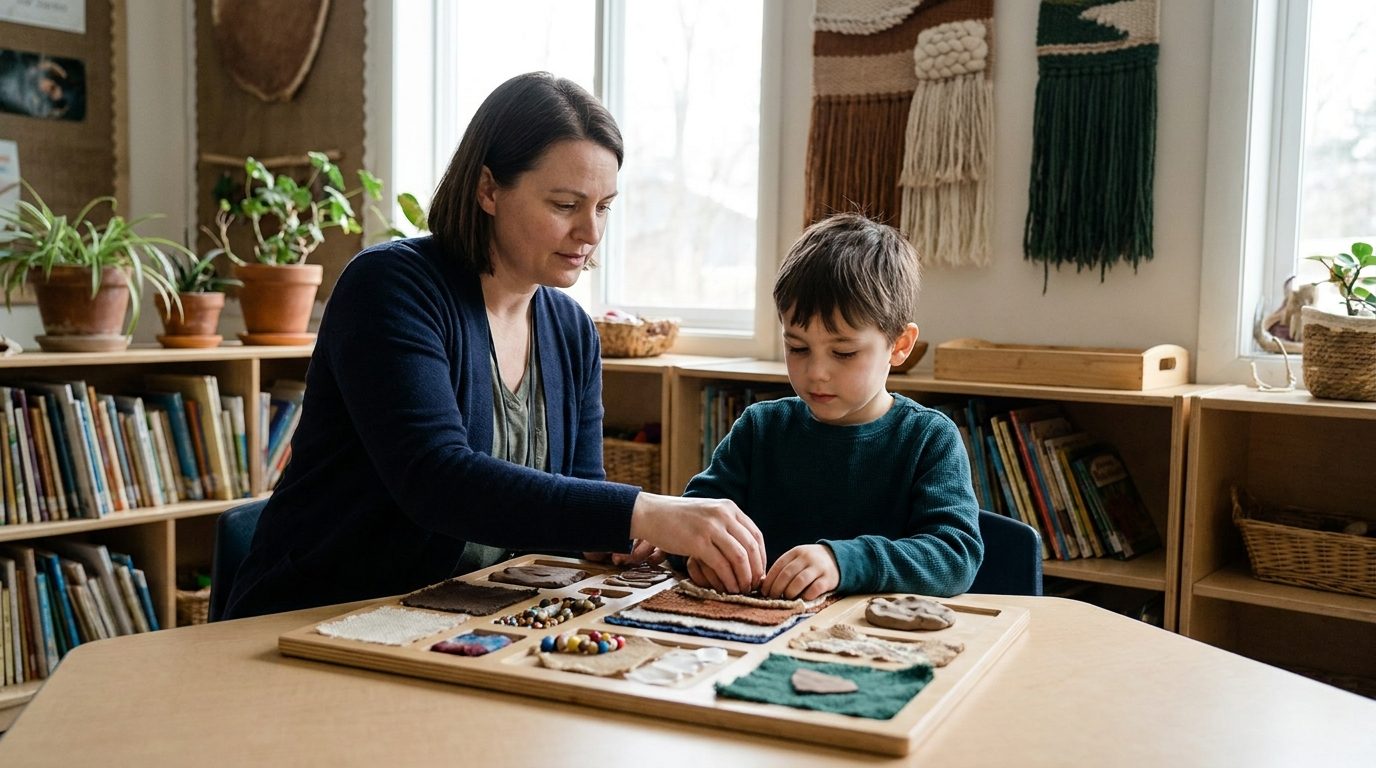
A student with ADHD can thrive in a general education classroom when the environment gives them what their attention and self-regulation systems need most: predictable structure, clear focus supports, and consistent behavioral expectations. This page is a general educational overview for parents and school staff — not medical or diagnostic guidance. Every child’s needs should be addressed through their IEP or 504 team.
Common Classroom Support Strategies for ADHD
Most classroom strategies for supporting a student with ADHD fall into three broad categories: structure, focus support, and behavioral consistency. None of these replace a formal treatment plan — they’re environmental and instructional supports that help a student access the same lesson as their peers.
Structure
Predictable routines, visual schedules, and clearly broken-down multi-step tasks reduce the number of decisions and transitions a student has to manage on their own.
Focus Support
Preferential seating, reduced-distraction work areas, movement breaks, and gentle redirection help a student re-engage with a task without singling them out.
Behavioral Consistency
The same expectations, cues, and reinforcement approach applied the same way every day — by every adult in the room — so the student always knows what’s expected.
How a Blue Horizons Aide Supports These Strategies
An Instructional or Behavioral Support Aide from Blue Horizons works inside the classroom, under the direction of the classroom teacher and the student’s IEP or 504 team, to carry these strategies out consistently, day after day. That can look like:
- Helping the student follow a visual schedule and move through multi-step assignments
- Providing gentle, consistent redirection back to task without disrupting the rest of the class
- Reinforcing the same behavioral expectations and cues the teacher and IEP team have set
- Documenting attention, engagement, and behavior patterns through daily attendance, timesheets, and journals so the IEP team has real data to work from
- Coordinating closely with teachers, administrators, and families so support stays consistent across the day — and across the school year
Consistency is often the hardest part to sustain — a student who gets one set of expectations from a substitute and another from their regular aide loses the very structure that was helping them. A dedicated, trained aide who shows up reliably is itself a form of behavioral support.
The Blue Horizons Standard
Every aide we place is held to the same standard before and during placement: Screen (DOJ Live Scan fingerprinting and reference checks), Train (structured onboarding plus ongoing retraining), Supervise (multi-layer supervision with a named single point of contact), and Verify (real-time tracking of attendance and performance feeding our Quarterly Performance Review Program). For a family or a school team relying on daily consistency, that standard is what keeps the support in place.
“Blue Horizons provides skilled and knowledgeable instructional aides who genuinely care about our students’ success. Their commitment to ongoing training and supervision has resulted in a successful SPED program.”
Laura M., SPED Teacher
Frequently Asked Questions
Is this page medical or diagnostic advice?
No. This is a general educational overview of classroom support strategies. Diagnosis, treatment, and specific accommodations should always be addressed through your child’s medical providers and IEP or 504 team.
Should we request an Instructional Aide or a Behavioral Support Aide?
That decision belongs to the IEP team based on the student’s specific goals. Learn more about the difference on our Behavioral Support Aide Services page, or see our parent’s guide to behavioral support at school.
How do we request an aide?
Reach out through our contact page or visit the Blue Horizons homepage to learn more about our screening, training, and supervision process.