
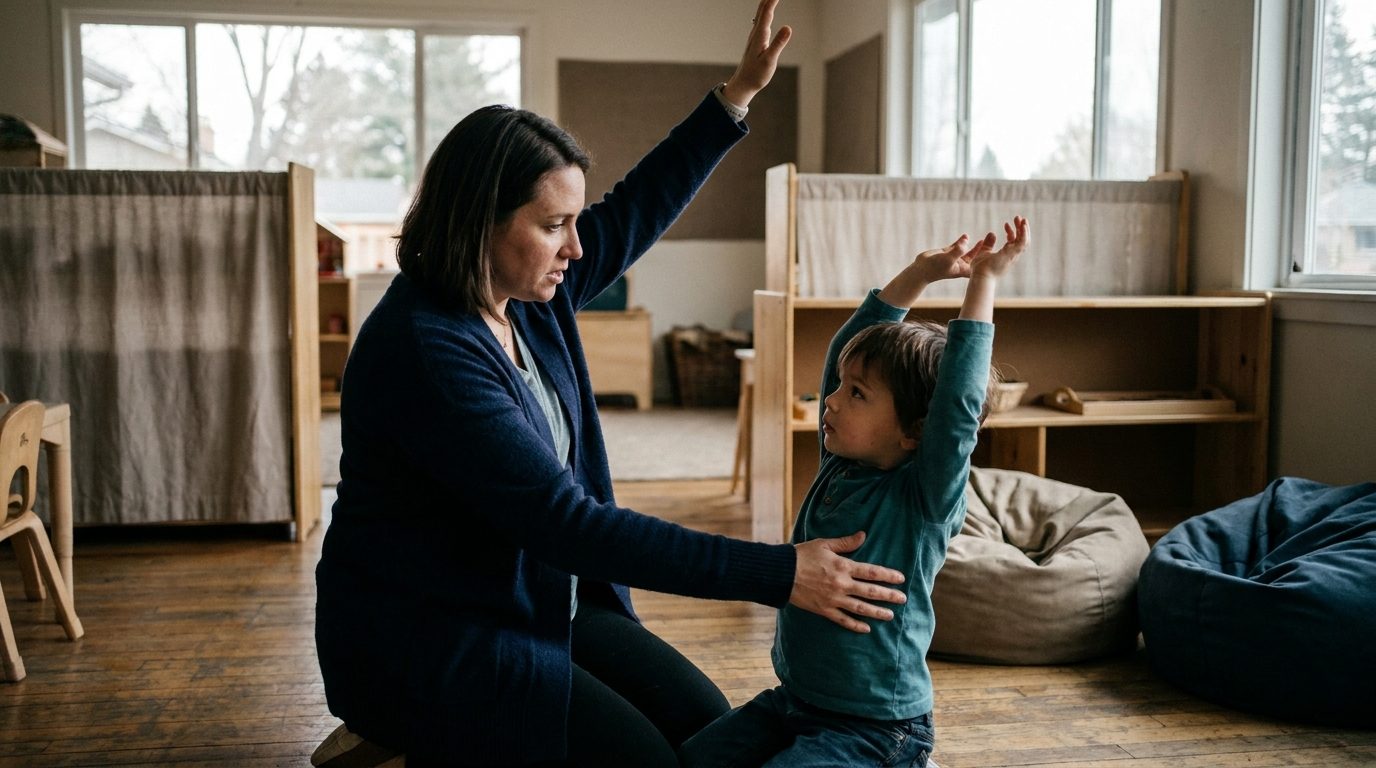
A student with an intellectual disability learns and processes information at a different pace than their classmates — and with the right classroom supports, that difference is simply something to plan around, not a barrier to a full school experience. Effective support usually centers on three things: individualized pacing that matches how the student actually learns, consistent reinforcement of the functional and life-skills goals written into their IEP, and real opportunities to be included socially with peers, not set apart from them. This page is a general educational overview for parents and school staff — it is not medical or clinical guidance, and any specific supports for a specific student should always be determined by that student’s IEP team.
What Classroom Support Looks Like
- Instruction broken into smaller steps, repeated and reinforced at the student’s own pace rather than the whole class’s pace
- Consistent practice of functional goals — following routines, managing materials, communicating needs — alongside academic content
- Visual schedules, simplified directions, and concrete examples that make abstract lessons easier to access
- Structured opportunities to work and socialize alongside peers, both in the general classroom and in small groups
- Steady documentation of progress so the IEP team can see what’s working and adjust what isn’t
How a Blue Horizons Instructional Aide Supports This
Individualized Pacing
An Instructional Aide works one-on-one or in a small group under the classroom teacher’s direction, slowing down or repeating instruction exactly as much as the student’s IEP calls for — without holding back the rest of the class.
Life-Skills & Social Inclusion
The same aide reinforces functional and life-skills goals throughout the day and helps structure moments — group work, lunch, transitions — where the student can practice social skills alongside classmates rather than apart from them.
Every aide reports back to the classroom teacher and IEP team, and coordinates directly with families, so pacing and goals stay consistent between school and home. Related: our classroom support overview for Down syndrome and behavioral support for emotional disturbance cover other functional-goal-driven placements built the same way.
The Blue Horizons Standard
Before any aide steps into a classroom, they go through the same four-part standard: Screen (DOJ Live Scan fingerprinting and reference checks), Train (structured onboarding plus ongoing retraining), Supervise (a multi-layer supervision model with a named single point of contact from senior management), and Verify (real-time attendance and performance data feeding our Quarterly Performance Review Program). It’s the same rigor whether the placement is academic, behavioral, or life-skills focused.
Frequently Asked Questions
Can an aide help with life-skills goals, not just academics?
Yes. An Instructional Aide works from the goals in the student’s IEP, which for many students with an intellectual disability includes functional and life-skills targets alongside academic ones — reinforced consistently across the school day.
How do we request an aide for our child or classroom?
Reach our 24-hour service center or contact us directly — every placement starts with matching a screened, trained aide to the specific pacing, goals, and support a student’s IEP team has outlined. Visit our homepage to learn more about how Blue Horizons places aides across Southern California.