
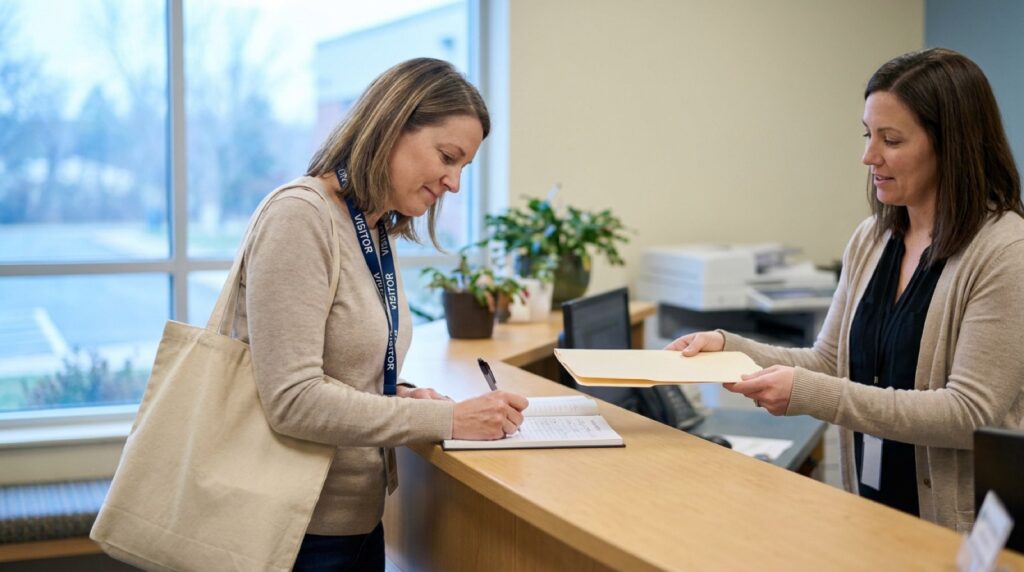
Substitute paraprofessional work is one of the least understood ways into a school job. It is flexible, it is in demand almost everywhere, and many permanent aides started this way. It also comes with trade-offs in hours and benefits that are worth understanding before you sign up. This guide covers what a substitute paraprofessional does in California, what the work pays, what you need to qualify, and how to turn it into something steadier if that is your goal.
What a Substitute Paraprofessional Is
A substitute paraprofessional, also called a substitute instructional aide or sub para, fills in when a school’s regular aide is out. The absence might be a single sick day, a few weeks of leave, or an open position the school has not yet filled. For that time, you step into the absent aide’s assignment: supporting a classroom, a small group, or one student, under the direction of the teacher.
It is different from substitute teaching. A substitute teacher takes responsibility for a class and, in California, needs a permit or credential from the Commission on Teacher Credentialing. A substitute paraprofessional supports instruction that a teacher is leading and does not need a state permit. The role is in the classified service, a distinction we will cover in a separate guide.
What the Work Looks Like
The duties are the same as a regular aide’s, compressed into a day in which you know less than everyone else in the room. On a typical assignment you might:
- Work with a small group on reading or math while the teacher leads the rest of the class
- Support one student through the day according to the plan the regular aide follows
- Help with transitions, recess, lunch, and the bus line
- Assist with personal care, feeding, or mobility in classrooms where students need it
- Prepare materials and keep simple records the teacher asks for
Special education assignments are the most common, because those classrooms rely most heavily on aides and feel an absence most sharply. For a fuller description of the underlying job, see our special education paraprofessional job description.
Requirements in California
Requirements are set by the employer, so they vary, but most districts and providers ask for the following.
- A high school diploma or equivalent.
- Proof of proficiency for instructional roles. Many districts require substitutes to meet the same standard as permanent aides: 48 college semester units, an associate degree or higher, or a passing score on the district’s proficiency test. We explain those options in the instructional aide test in California. Some districts set a lighter bar for short-term substitutes. Ask.
- Fingerprint clearance. A Live Scan background check through the California Department of Justice and the FBI, requested by the employer you will work for.
- A TB risk assessment or test, as California requires for school staff.
- Employment eligibility documents and whatever onboarding training the employer provides, which usually includes mandated reporter training.
No teaching credential or substitute teaching permit is needed. Experience with children helps, and so does comfort with special education settings, but many employers hire substitutes with no formal classroom background and train them.
How Substitute Assignments Work
Getting on a list
You apply to a district’s classified substitute pool, to a county office, or to a staffing provider that supplies schools. After onboarding you are active on the list.
Getting called
Most districts use an automated absence system. You receive a call, text, or app notification, often early in the morning or the evening before, and accept or decline. Some jobs are posted days ahead. Staffing providers typically have a coordinator who contacts you directly and knows your preferences.
Saying yes and no
You can usually set the days, schools, and types of assignment you are willing to take. Flexibility is the main attraction of the work. Be aware that substitutes who decline often tend to be offered less over time, and substitutes who do well at a school are requested by name.
Short-term and long-term
Day-to-day jobs are the most common. Long-term assignments, covering a leave or a vacancy for weeks or months, are the ones that bring consistent hours and often lead to permanent offers.
What Substitute Paraprofessionals Are Paid
Pay is hourly, and it varies by employer and region.
- District substitute rates for aides are often set at or near the first step of the classified salary schedule for the position, and sometimes at a flat substitute rate. In California that commonly lands somewhere from the high teens to the low or mid twenties per hour, with higher-cost areas and special education assignments toward the top.
- Assignments involving intensive behavior support or personal care sometimes carry a higher rate.
- Long-term assignments in some districts move to a higher rate after a set number of days.
Check the district’s published classified substitute rate or ask a provider for the rate on a specific assignment. For context on permanent pay, see our guide on how much instructional aides make in California.
Benefits and hours
This is the main trade-off. Day-to-day substitutes are generally paid only for hours worked, with no pay for holidays or school breaks and usually no health coverage through the district. California law provides paid sick leave accrual to most employees, including substitutes, at a basic level. Hours are not guaranteed. A busy month can be close to full time, and a slow one can be thin, especially in September before absences start and in June when the year winds down.
Pros and Cons
Reasons people choose it:
- You control your schedule, which suits students, parents, and people with another part-time job
- You can try different schools, grade levels, and classroom types before committing
- It is a fast way into schools and builds the experience permanent postings ask for
- Principals and teachers get to know you, which matters when a position opens
Reasons it does not suit everyone:
- Income is unpredictable and stops during school breaks
- Benefits are limited
- You often walk into an unfamiliar room with little information
- Students who rely on routine may have a hard day when their regular aide is out, and you are the change
How to Do the Job Well
Schools remember good substitutes. These habits make the difference.
- Arrive early and check in at the office. Ask where to go, who the teacher is, and whether there is a sub folder or notes from the regular aide.
- Ask the teacher three questions: Which students will I be working with? Is there anything I need to know about safety or behavior plans? What should I do if something comes up that I am not sure about?
- Follow the existing routine. Students with disabilities often depend on predictability. Do things the way they are normally done, not the way you would prefer.
- Stay engaged. Keep your phone away, stay near the students you are assigned to, and look for ways to help during quiet moments.
- Do not improvise physical intervention. If a student’s behavior escalates, follow the plan, give space, and get the teacher or trained staff. Only use techniques you are trained and authorized to use.
- Protect confidentiality. What you learn about students stays at school.
- Leave a short note. A few lines on what went well and anything the regular aide should know is appreciated and gets you asked back.
Turning Substitute Work Into a Permanent Job
If steady employment is the goal, treat every assignment as a working interview.
- Take long-term assignments when they are offered. They show you can sustain the work and they often convert.
- Be reliable. Accept regularly, arrive on time, and avoid cancelling. Reliability is the quality schools value most in aides.
- Tell people you are interested. Let the principal, the special education teacher, and the office staff know you would like a permanent position.
- Watch the postings. Districts list classified openings on their own sites and on statewide education job boards. Apply as soon as a position is posted, and mention your substitute record at that school.
- Close any qualification gaps. If you have not passed the proficiency test or completed 48 units, do it now so nothing holds up an offer.
Our guide on how to become an instructional aide in California lays out the full path.
District Pool or Staffing Provider?
Both are legitimate routes, and some people use both.
- A district pool ties you to one district. It can be a direct line to that district’s permanent positions and its classified union and benefits once you are hired permanently.
- A staffing provider can place you across several districts and school types, including charter and nonpublic schools, which often means more consistent work. The provider is your employer, handles screening and training, and gives you a coordinator to call.
Blue Horizons provides substitute instructional aide coverage to schools across Southern California, alongside long-term placements.
Frequently Asked Questions
Do I need a substitute permit?
No. The Emergency 30-Day Substitute Teaching Permit is for substitute teachers. Substitute aides are classified staff and do not need a state permit.
Can I substitute as both a teacher and an aide?
Yes, if you hold the teaching permit as well. Some people do both to fill more days.
How quickly can I start?
The timeline is mostly background screening and paperwork. Two to four weeks from application to first assignment is typical, and it can be faster.
Will I work every day?
Possibly, in a district with heavy demand or with a provider that serves many schools. Do not count on it in the first weeks.
The Bottom Line
Substitute paraprofessional work trades stability for flexibility and access. It is a good fit if you want control of your schedule or a way to prove yourself to schools, and less of a fit if you need guaranteed hours right away. To ask about substitute and long-term aide assignments in Southern California, visit our careers page or contact us.
This guide is general information, not legal or employment advice. Requirements, pay, and benefits are set by each employer and can change.